Why Does Your Skin Age Prematurely? The Effects of Silent Inflammation

Why Does Your Skin Age Prematurely? The Effects of Silent Inflammation

Skin aging cannot be explained by chronological age alone. The concept of “silent inflammation,” which has gained prominence in dermatology literature in recent years, is a chronic process that is invisible to the naked eye but leads to collagen loss, reduced elasticity, and barrier weakening over time. This condition is scientifically referred to as “inflammaging” — in other words, inflammation-driven aging.

At Estepera Polyclinic, many patients presenting with premature aging complaints are found to have not only superficial wrinkles, but also cellular-level stress, microcirculation disorders, and connective tissue weakening. For this reason, modern skin rejuvenation approaches now focus not only on wrinkle reduction, but also on inflammation control.

What Is Silent Inflammation (Inflammaging)?

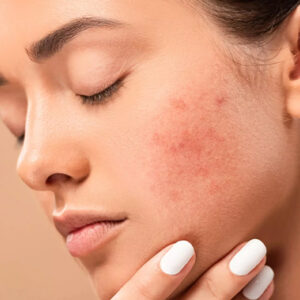
Silent inflammation is a low-grade but persistent immune activation that progresses in the skin without noticeable redness or acute infection. Over time, it breaks down collagen fibers, weakens the elastin structure, and disrupts the skin barrier.

The chronic inflammation process progresses through the following mechanisms:

  • Increase in free radicals
  • Accelerated collagen degradation
  • Decreased fibroblast activity
  • Microcirculation impairment
  • Connective tissue laxity

This condition becomes particularly pronounced after the age of 30 and, if left untreated, manifests as skin sagging, dullness, and volume loss.

What Are the Signs of Silent Inflammation in the Skin?

Silent inflammation does not present suddenly. The process progresses slowly and most people interpret it as “normal aging.”

The most commonly observed signs are:

  • Dull and lackluster skin appearance
  • Enlarged pores
  • Loss of elasticity
  • Deepening of fine lines
  • Increased tendency toward pigmentation
  • Increased skin sensitivity

The role of inflammatory processes is frequently observed in Melasma Diagnosis and Treatment consultations in particular. Similarly, inflammation is the primary mechanism in chronic dermatological conditions such as Rosacea Diagnosis and Treatment and Psoriasis Diagnosis and Treatment.

The Relationship Between Collagen Loss and Inflammation

Collagen is the fundamental structural protein that keeps the skin firm and youthful. During silent inflammation, elevated cytokines and oxidative stress begin to break down collagen fibers. Over time, this manifests as:

  • Loosening of the facial oval
  • Loss of definition along the jawline
  • Deepening of nasolabial folds
  • Increased fine wrinkles around the eyes

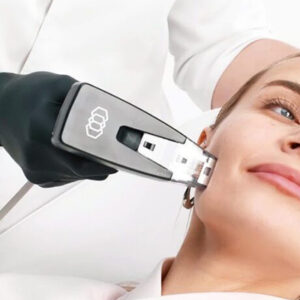
At this point, superficial skincare alone is not sufficient. Microneedling radiofrequency systems such as Gold Needle and Morpheus 8, which stimulate collagen production, play an important role in reducing the effects of the inflammaging process.

Medical Approach Against Silent Inflammation

At Estepera Polyclinic, protocols focused on premature aging and inflammation are planned on an individualized basis. The goal is not only aesthetic improvement but also controlling the rate of biological aging.

Primary methods applied:

  • Gold Needle
  • Morpheus 8
  • Hydrafacial
  • Mesotherapy
  • Skin Rejuvenation protocols

The Role of Gold Needle and Morpheus 8

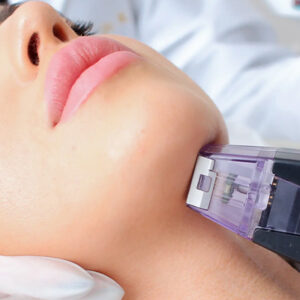
Microneedling radiofrequency systems trigger collagen production by creating controlled micro-injuries in the dermal layer. This controlled regeneration process aims to reverse the connective tissue weakening caused by inflammation.

Particularly strong results can be achieved in conditions such as:

  • Skin sagging treatment
  • Wrinkle treatment
  • Acne scars
  • Loss of elasticity

Hydrafacial and Barrier Support

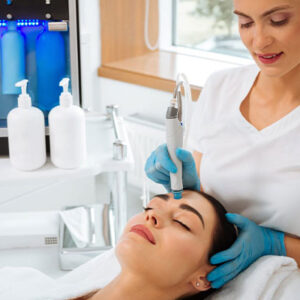
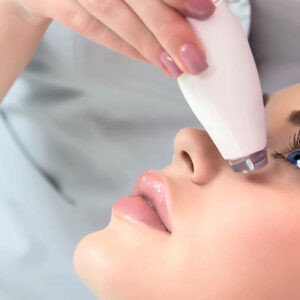
During the inflammation process, the skin barrier weakens. This results in increased sensitivity and moisture loss. Hydrafacial treatment helps support the barrier and reduce the inflammatory burden.

It plays a supportive role particularly in the following conditions:

  • Rosacea-prone skin
  • Eczema sensitivity
  • Pigmentation treatment processes
  • Post-procedure care following energy-based treatments

How Does Silent Inflammation Trigger Dermatological Conditions?

Chronic inflammation not only contributes to aesthetic aging but also creates a foundation for the worsening of certain dermatological conditions.

Related conditions:

  • Acne Vulgaris
  • Seborrheic Eczema
  • Vitiligo
  • Telogen Effluvium

For this reason, inflammation control is important not only from a cosmetic standpoint but also from a dermatological perspective.

At What Age Should Intervention Begin?

Silent inflammation begins as early as the mid-20s. However, its noticeable effects generally appear after the age of 30. There is no need to wait until an advanced age to intervene.

The approach varies by age:

  • 20s → Barrier protection and mild collagen-supporting protocols
  • 30s → Collagen-stimulating applications using micro-injury techniques
  • Age 40 and beyond → Combined tightening and lifting protocols

Are Combined Protocols More Effective?

In modern aesthetic medicine, combined planning is preferred over standalone treatments, as inflammation is a multidimensional process.

Frequently preferred combinations:

  • Morpheus 8 + Hydrafacial
  • Gold Needle + Mesotherapy
  • Energy-based treatment + Skin Rejuvenation protocol

The combination plan must always be determined following an expert evaluation.

Conclusion: Is Premature Aging Inevitable?

No. Skin aging is a natural process, but inflammation is one of the factors that determines its speed. Bringing silent inflammation under control at an early stage can slow collagen loss and help preserve the biological age of the skin.

Frequently Asked Questions (FAQ)

1. How does silent inflammation cause skin aging?

Silent inflammation is a low-grade but persistent inflammatory process in the skin. It leads to the breakdown of collagen fibers, loss of elasticity, and weakening of the skin barrier. Over time, it manifests as sagging, a dull appearance, and an increase in fine wrinkles.

2. What is the difference between inflammaging and normal aging?

Normal aging is a natural process that progresses based on genetics and the passage of time. Inflammaging, on the other hand, is an accelerated aging condition triggered by chronic inflammation. As a result, the skin may appear older than its biological age.

3. What skin problems are associated with silent inflammation?

Chronic inflammation can contribute to the worsening of dermatological conditions such as acne, rosacea, melasma, seborrheic eczema, and psoriasis. It is also associated with increased pigmentation and heightened skin sensitivity.

4. Can collagen loss be reversed?

Collagen production decreases with age but does not stop entirely. Collagen synthesis can be re-stimulated through microneedling radiofrequency systems, mesotherapy, and combined skin rejuvenation protocols. The appropriate method should be determined based on individual skin analysis.

5. What should be done when early signs of aging are noticed?

When dullness, loss of elasticity, and fine lines begin to increase, a dermatological evaluation is recommended. Medical treatments planned at an early stage can help control the inflammatory process and slow the rate of aging.

At Estepera Polyclinic, treatment plans are created through individualized analysis rather than standard packages. The goal is not merely to reduce wrinkles, but to manage the inflammation-driven aging process on a scientific basis.

For Detailed Information and Questions, You Can Reach Us via WhatsApp. You Can Also Follow Us on Our Instagram Address.

Our Doctors
Call Now !
Estepera Polyclinic